Blood Banks in chennai | +91 98401 05596
Get 24×7 Blood Banks in Chennai at Indian Voluntary Blood Banks ✓No. 110, 2nd Floor, East Madha Church Street, Royapuram, Chennai – 600 013 ✓+91 98401 05596
Blood Banks in chennai
24/7 Security & Support
Indian Voluntary Blood Banks is a reliable blood banks in Chennai offering blood collection, donation, blood grouping, cross-matching, and blood component services. Explore blood bank services for hospitals, patients, donors, and emergency requirements.
Blood banks play a vital role in supporting emergency healthcare, surgeries, accident treatment, childbirth, cancer care, trauma management, and other medical procedures. For patients and hospitals, access to a reliable blood supply can be critical during planned and emergency treatments. If you are searching for Blood Banks in Chennai, the city has numerous government, hospital-based, charitable, and private blood centres providing blood collection, testing, storage, and distribution services.
Indian Voluntary blood bank follows strict procedures for donor screening, blood collection, infectious-disease testing, component separation, storage, and issue of blood products. Depending on the facility and regulatory approvals, blood banks may provide whole blood and components such as packed red blood cells, fresh frozen plasma, platelets, and cryoprecipitate.
Chennai is home to major hospitals, medical colleges, healthcare institutions, and specialized blood centres that serve patients from the city as well as surrounding districts. Blood banks also organize voluntary blood donation camps to maintain adequate inventories and encourage community participation in blood donation.
Whether you are looking for a blood bank in Chennai for blood donation, a hospital blood bank for a patient, blood components for surgery, or information about voluntary donation, selecting an authorized blood centre is important.
Blood banks play a vital role in supporting emergency healthcare, surgeries, accident treatment, childbirth, cancer care, trauma management, and other medical procedures. Read More
Platelets play an important role in blood clotting and are essential for patients who experience low platelet counts or require platelet transfusions during certain medical treatments. Read More
Blood donation is a big deal in Chennai’s healthcare system. Hospitals and medical centers in our bustling city constantly need blood for various treatments. Read More
Indian Voluntary blood bankprovide a range of services associated with blood collection, testing, processing, storage, and issue.
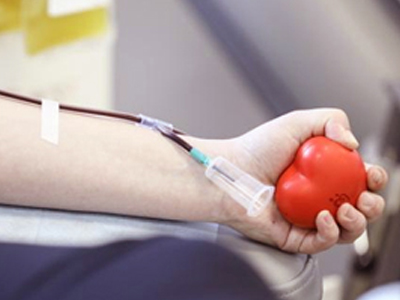
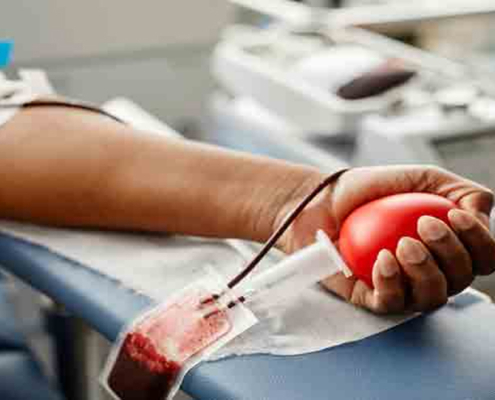
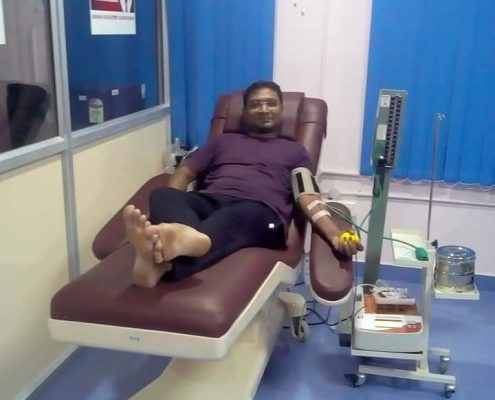
Voluntary blood donation is one of the most important ways to maintain a safe and adequate blood supply. Blood donation centres in Chennai conduct regular collection activities and organize blood donation camps in collaboration with companies, educational institutions, residential communities, NGOs, and other organizations.
A voluntary donor generally undergoes a preliminary health assessment before donation. The blood collected is then tested and processed according to applicable regulatory procedures before it can be issued for patient care.
People interested in donating blood should contact an authorized blood centre to understand current eligibility requirements and donation procedures.
Chennai has several government hospitals and medical institutions with blood bank facilities. These centres support patients receiving treatment through government healthcare institutions and may also support emergency requirements depending on their services and availability.
Government blood banks can be associated with:
Patients should contact the relevant hospital blood bank directly to confirm availability, eligibility, documentation, and blood component requirements.
Indian Voluntary blood bankoperate their own blood banks or blood centres to support patients undergoing treatment within the hospital.
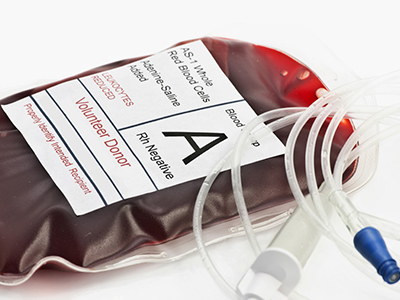
Blood is separated into different components so that individual patients can receive the component they medically require.
The decision regarding which component a patient requires should always be made by the treating medical team.
Indian Voluntary blood bank perform blood grouping and compatibility procedures before issuing blood products.
Blood grouping alone is not sufficient for every transfusion. Hospitals and blood banks perform appropriate compatibility testing and cross-matching according to clinical requirements.
This helps reduce the risk of incompatible transfusion and supports safer patient care.
Indian Voluntary blood donation provides an important community resource.
The blood donation process generally involves several steps.
Blood donation eligibility depends on applicable medical and regulatory requirements. Donors are generally required to meet criteria related to age, weight, health status, medications, recent illness, previous donation, and other factors.
Eligibility can vary, so prospective donors should confirm the current requirements directly with an authorized blood centre.
People should not donate simply because someone urgently needs blood if they are medically unfit to donate. Donor safety is an important part of the blood donation process.
Different blood components require specific storage conditions and handling procedures. Blood banks use specialized equipment to maintain appropriate storage conditions.
Proper storage helps preserve the quality and safety of blood components until they are issued for patient care.
Blood banks also maintain records for:
Blood donation camps help bring voluntary donation opportunities closer to communities.
Camps can be organized at:
Indian Voluntary blood bankgenerally provide trained personnel and appropriate collection equipment for approved donation camps.
Organizations planning a blood donation camp should coordinate with a licensed/authorized blood centre and follow applicable regulatory requirements.
During emergencies, families may need blood or blood components quickly. This can occur during:
Blood availability changes continuously, so patients or attendants should contact the hospital’s blood bank or an authorized blood centre before travelling.
When requesting blood, it is useful to have information such as:
The hospital’s medical team should determine the type and quantity of blood component required.
Authorized blood centres follow established procedures for blood collection, testing, storage, and issue. This is essential because blood transfusion is a medical procedure requiring proper compatibility testing and clinical oversight.
Indian Voluntary blood banks typically maintain:
Always obtain blood through authorized healthcare channels rather than informal or unverified sources.
Different blood components require specific storage conditions and handling procedures. Blood banks use specialized equipment to maintain appropriate storage conditions.
Proper storage helps preserve the quality and safety of blood components until they are issued for patient care.
Blood banks also maintain records for:
Blood safety is a critical part of transfusion medicine. Donated blood undergoes required testing and processing before being made available for transfusion.
Blood centres follow procedures related to:
Indian Voluntary blood bankoperate under applicable Indian regulations and standards.
Some blood groups are less common than others. Patients with rare blood types may face additional challenges when blood is urgently required.
Blood centres and voluntary donor networks can help identify suitable donors when available. However, availability varies by blood group, location, and current inventory.
People who know their blood group and are eligible to donate can consider becoming regular voluntary donors to support the community.
When searching for a blood bank in Chennai, consider the following:
Blood bank and blood centre services are available across different parts of Chennai and the surrounding metropolitan region, including:
Availability and operating hours vary by centre, so it is advisable to confirm details before visiting.
Chennai has government, hospital-based, charitable, and private blood centres across different parts of the city. For a patient’s immediate requirement, contacting the hospital’s blood bank is often the best first step.
Yes, eligible individuals can donate blood at Indian Voluntary blood bankand approved blood donation camps. Donor eligibility is assessed by the blood centre.
Depending on the blood bank’s facilities and inventory, components may include packed red blood cells, platelets, fresh frozen plasma, and cryoprecipitate.
Emergency blood availability depends on the blood group, component required, current inventory, and hospital requirements. It is important to contact the relevant blood bank before travelling.
Yes. Indian Voluntary blood bank perform blood grouping as part of their blood collection and transfusion services. Additional compatibility testing may also be required.
Contact the Indian Voluntary blood bankto confirm current donor eligibility requirements and follow the instructions provided by its medical staff.
Yes. Companies, educational institutions, residential communities, and organizations can coordinate approved blood donation camps with authorized blood centres.
Indian Voluntary blood bankfollow prescribed procedures for donor screening, testing, processing, storage, and issue of blood components. Blood transfusion decisions and compatibility testing are handled by qualified medical professionals.
Yes, blood requests are generally made according to the patient’s medically determined blood group and component requirement. Availability must be confirmed with the blood bank.
Search for Indian Voluntary blood banknear the patient’s hospital or location and call ahead to confirm the required blood group/component, availability, operating hours, and documentation requirements.